Selling in Pacific Heights is not the same as selling in a typical market. Buyers here often expect a home that feels polished, well-documented, and ready to inspire confidence from the first showing. If you want to prepare smartly without over-improving, this guide will help you focus on the updates, disclosures, staging, and pricing choices that matter most before you list. Let’s dive in.
Why prep matters in Pacific Heights
Pacific Heights is known for elegant homes, quiet streets, dramatic views, and a strong sense of place. In a neighborhood like this, your home is often evaluated as both a residence and a premium asset. That means presentation and preparedness can carry real weight.
Recent market data supports that point. Redfin reported a March 2026 median sale price of $2.3005 million in Pacific Heights, with homes averaging 13 days on market and selling about 7% above list price. In a competitive setting like this, buyers may reward condition, visual appeal, and pricing discipline more than a long list of speculative upgrades.
Start with disclosures and documentation
Before you think about paint colors or staging furniture, get your paperwork organized. In California, sellers have an affirmative duty to disclose known material facts and conditions that may affect a property’s value or desirability. That includes past problems, even if they were repaired.
A good rule is simple: if you already have reports, invoices, or repair records, gather them early. California Association of Realtors guidance says those materials should be shared with buyers rather than selectively summarized. Clear documentation helps reduce surprises and can make your sale feel more credible and orderly.
Know the core disclosure packet
For many single-family residential properties, the Transfer Disclosure Statement is a key part of the process. California law also applies the TDS to residential stock cooperatives improved with four or fewer dwelling units.
If your home is part of a common-interest development, Civil Code 4525 requires an owner to provide items such as governing documents, current assessment and fee information, unresolved violation notices, and certain association records. If requested, buyers can also receive recent board minutes and the latest inspection report referenced in the statute.
Don’t overlook hazard disclosures
California’s Natural Hazard Disclosure law applies when a property falls within certain designated zones, including flood, fire, earthquake, seismic, or wildland-fire areas. If your property is in one of those zones, that disclosure matters and cannot be waived.
If your home was built before 1978, lead-based paint rules also come into play. Sellers of most pre-1978 housing must disclose known lead-based paint hazards, provide any available reports, give the required federal pamphlet, and allow a 10-day period for a lead inspection or risk assessment.
Consider a pre-list inspection
A pre-list inspection is not required in every sale, but it can be a smart move in Pacific Heights. It gives you a chance to learn about issues before a buyer discovers them and uses them as negotiation leverage. It can also help you decide which repairs are worth making before the home goes live.
California Association of Realtors guidance notes that pre-sale inspections can help identify defects, support repairs before listing, and assist in negotiations. Just remember that if an inspection reveals a problem, or if you make repairs, those facts still need to be disclosed.
What a pre-list inspection can help you do
- Spot issues early
- Prioritize repairs with a clear budget
- Organize documentation before marketing begins
- Reduce the chance of last-minute renegotiation
- Present the home with more confidence
In a neighborhood where expectations are high, preparation often creates leverage. The goal is not perfection. The goal is fewer surprises.
Focus on low-friction improvements
If you are deciding where to spend money, think “clean, fresh, and low complexity.” In San Francisco, painting, papering, and similar finish work are listed by SF.gov among items that do not require a permit. That makes these updates some of the easiest and most defensible ways to improve first impressions before listing.
By contrast, bigger projects can create permit or timing issues. San Francisco requires a permit for window replacement, even for non-historic buildings, and older or historic-resource properties may need additional planning review. That is one reason last-minute exterior alterations or major layout changes are often harder to justify right before a sale.
Updates that usually make sense
- Interior paint
- Updated light fixtures
- New or refined hardware
- Minor repairs
- Deep cleaning
- Landscape tidying where applicable
- Professional touch-ups that improve visual consistency
These changes can make your home feel cared for without pulling you into a larger construction process. In many cases, that is the right balance.
Be careful with older homes
If your Pacific Heights home was built before 1978, cosmetic work deserves extra care. The EPA says renovation, repair, and painting projects in pre-1978 homes can create dangerous lead dust. Paid work that disturbs painted surfaces in those homes must be performed by certified lead-safe contractors.
Even if you are considering simple prep work, it is wise to account for that rule before work begins. A fast cosmetic update is only helpful if it is handled safely and correctly.
Stage for clarity, not overstatement
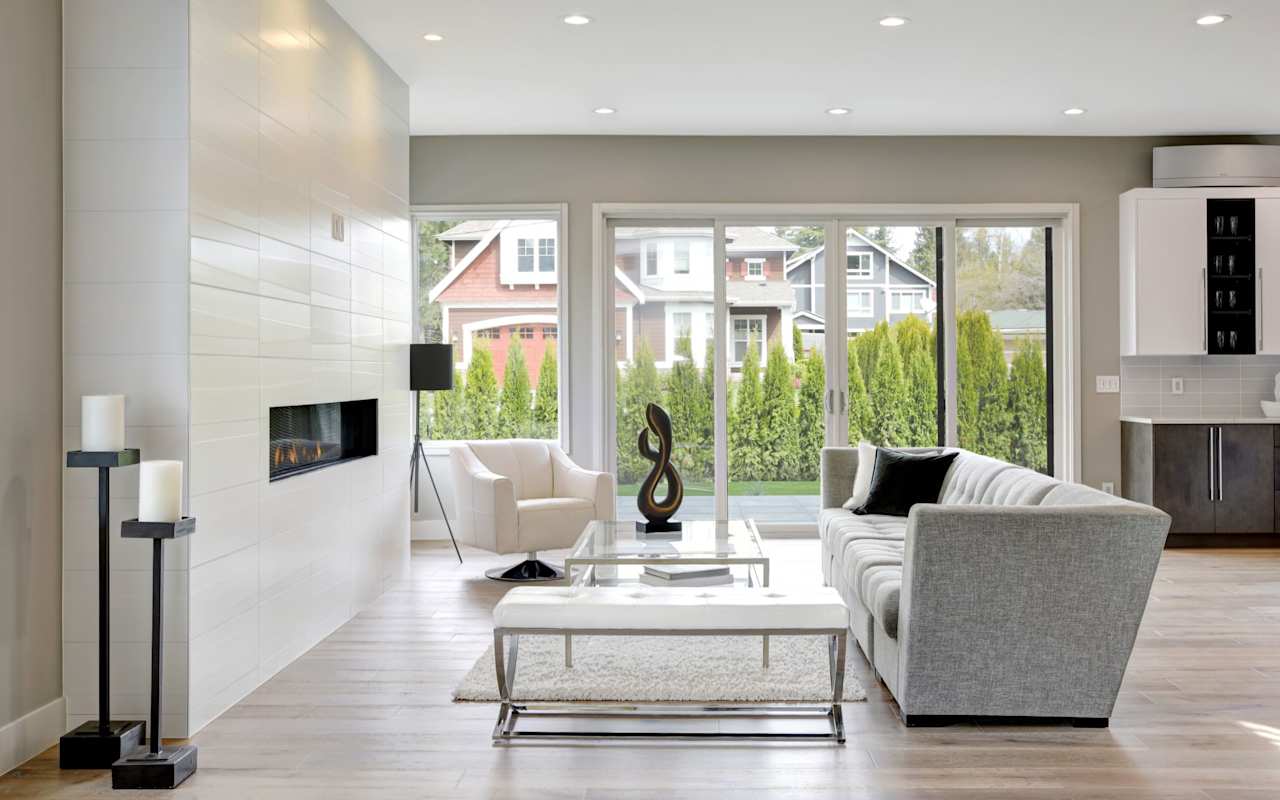
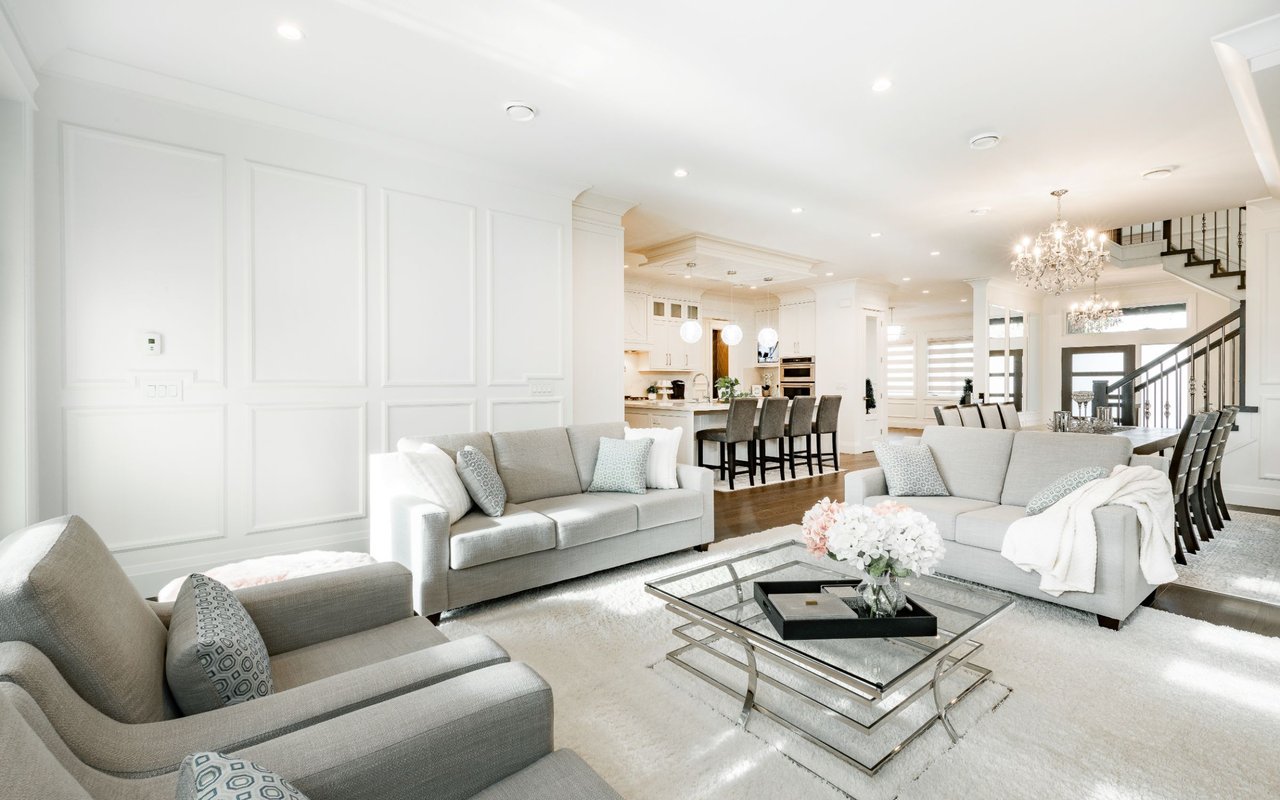
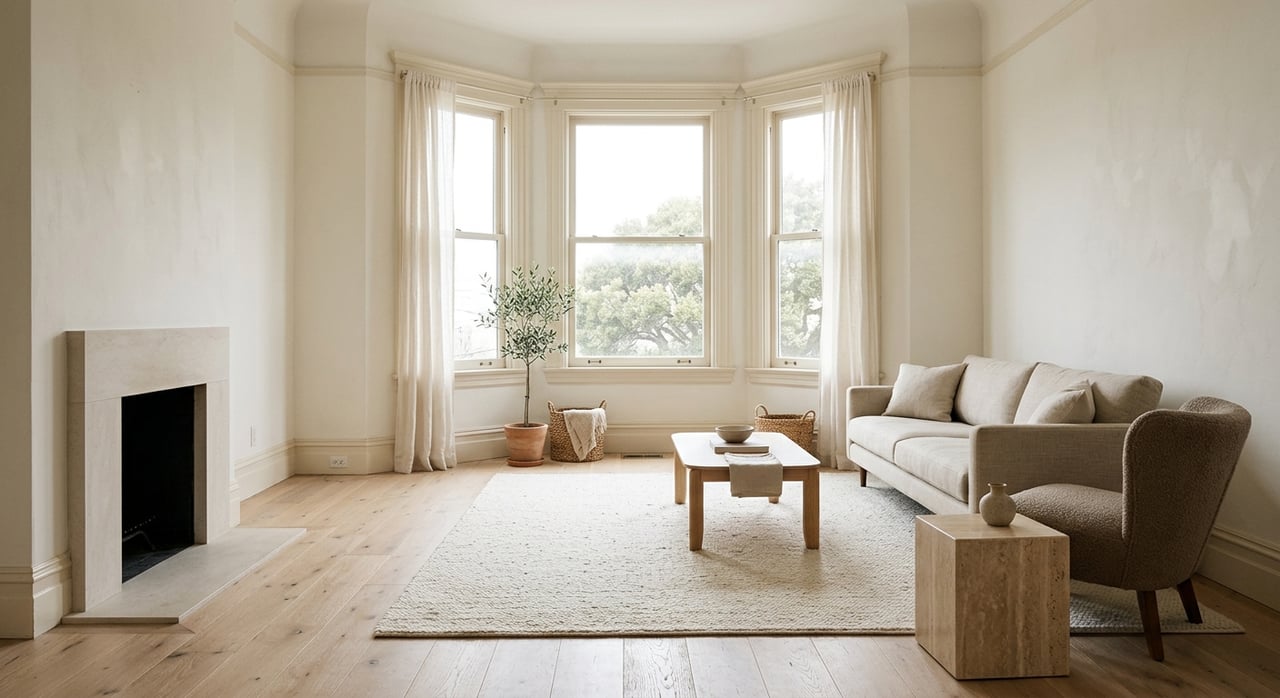
In a premium neighborhood, staging should sharpen the story of the home. It should not feel busy or overly personalized. Buyers need to see scale, light, flow, and how key rooms live day to day.
National Association of Realtors data from 2025 found that 83% of buyers’ agents said staging made it easier for buyers to visualize a property as a future home. The same report found that 17% said staging increased offered dollar value by 1% to 5%, with the living room, primary bedroom, and kitchen rated as the most important rooms to stage.
Prioritize these rooms first
- Living room
- Primary bedroom
- Kitchen
If your budget is limited, start there. In Pacific Heights, where architecture, views, and natural light often do a lot of the work, staging should support those strengths rather than compete with them.
What strong staging often looks like
- Edited rooms with less visual clutter
- Furniture scaled to the room
- Neutral, cohesive styling
- Strong emphasis on natural light
- Photography and video that highlight layout and detail
The goal is simple: help buyers imagine the home clearly and quickly. In a fast-moving market, that matters.
Make privacy part of the plan
For many Pacific Heights sellers, discretion is not a luxury. It is a real planning priority. If privacy matters to you, that conversation should happen before the listing goes live, not after photos and showing instructions are already in place.
California Association of Realtors guidance warns that lockboxes, yard signs, photographs, videos, and virtual tours can affect property safety and privacy. That means each marketing choice should be treated as both a marketing decision and a security decision.
Privacy questions to answer early
- How much of the interior should be shown publicly?
- Should certain rooms or valuables be excluded from marketing?
- How will showings be scheduled and monitored?
- Is a lockbox appropriate for your situation?
- Do you want a more discreet marketing approach?
A tailored plan can help you balance exposure with comfort. In a high-visibility neighborhood, that balance matters.
Price with discipline
When sellers invest in prep, it is easy to start pricing from the budget rather than from the market. That can be a mistake. In Pacific Heights, the stronger strategy is usually to anchor pricing to the most relevant comparable sales and current market conditions.
The neighborhood’s recent pace and San Francisco’s tight supply suggest buyers are responding to homes that feel well-prepared and well-positioned. That does not automatically mean they will pay extra for every improvement. More often, they reward homes that show well, disclose clearly, and enter the market at a price that feels credible.
A smarter pricing mindset
- Use recent comparable sales as the foundation
- Adjust for condition, views, layout, and presentation
- Avoid tying list price directly to renovation spend
- Let preparation support pricing, not distort it
In a market where homes can move quickly, pricing precision can be just as important as presentation.
A practical pre-sale checklist
If you want a simple roadmap, start here:
- Gather repair records, reports, and HOA or building documents if applicable.
- Review likely disclosure needs, including hazard and lead-based paint rules where relevant.
- Consider a pre-list inspection.
- Make low-friction improvements like paint, lighting, cleaning, and minor repairs.
- Confirm whether any planned work requires a permit.
- Stage the living room, primary bedroom, and kitchen first.
- Create a privacy plan for photos, tours, signs, and access.
- Set a pricing strategy based on comparable sales, not assumptions.
Selling a Pacific Heights home usually goes best when the prep is strategic, not reactive. A calm, well-organized plan can protect your time, reduce stress, and help your home make the right impression from day one.
If you are thinking about selling, the smartest first step is often a private strategy session before any work begins. That gives you room to review condition, disclosure risk, prep budget, privacy needs, and pricing range with a clear plan tailored to your property. To start that conversation, reach out to Michelle Pender.
FAQs
Do I need a pre-list inspection to sell a home in Pacific Heights?
- Not always, but it can be very helpful because it may uncover defects early, guide repair decisions, and help you prepare disclosures before buyers investigate the property.
Which updates matter most before selling a Pacific Heights home?
- The most practical updates are usually low-complexity improvements like paint, lighting, hardware, minor repairs, and deep cleaning because they improve first impressions without creating major permit issues.
Is staging worth it for a Pacific Heights listing?
- Often, yes. NAR’s 2025 staging data found that staging helps buyers visualize the home, and some agents reported a 1% to 5% increase in offered value.
Do San Francisco sellers need permits for pre-sale updates?
- Some work does not require a permit, such as painting and similar finish work, but other projects do. For example, San Francisco requires a permit for window replacement.
What disclosures matter when selling an older Pacific Heights home?
- Older homes may involve lead-based paint disclosures if built before 1978, along with standard California disclosure obligations and any applicable natural hazard disclosures.
How can I protect privacy when selling a Pacific Heights property?
- You can plan ahead by deciding how much of the home is shown publicly, how access is managed, and whether features like signs, lockboxes, photos, and virtual tours fit your comfort level and security needs.